 中文
中文Everyone wants to be the only one holding that thing
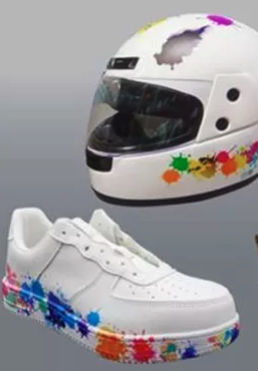
Walk any festival, campus, or office and you will see it: a phone case with a face on it, a tote with an inside joke, a water bottle in a colour no brand ever shipped. People do not just want products anymore. They want their product. And that simple human itch — to stand out, to belong, to hold something that says “me” — has quietly become one of the printing industry’s richest growth markets.
According to Business Research Insights, the global market for personalized goods is projected to hit $36 billion by 2026. For printers, that is not a sidebar. It is a main event.
Why printers are perfectly placed
Modern digital tech made short runs cheap. You no longer need a 10,000-unit order to make a job worthwhile. And personalization is no longer just ink on paper. Film cutting, lamination, varnish finishing, embroidery — all of it is now part of the digital ecosystem. One-of-a-kind items are both easier and more profitable to make than they were even five years ago.
But here is the catch FESPA’s Sonja Angerer spells out plainly: success in this market is not about owning a printer. It is about owning a system.
The three ingredients that actually matter
1. The right technology. Some personalized products — stickers, wall decals, prints — run fine on standard large-format signage printers. But mugs, bottles, pillowcases and T-shirts need specialised kit: UV printers with a kebab spindle option (Mimaki’s, for instance), or dedicated DTF machines from Epson or Mutoh. Match the machine to the product, or you will be turning away the orders you most want.
2. Automation and e-commerce. This is where most shops trip. A high-performance website with trendy products can drop dozens — sometimes hundreds — of orders into your pipeline every single day. Without robust e-commerce and standardized workflows, from order acceptance to shipped-package tracking, those custom orders quietly become a money pit. Semi-automated, ad-hoc processes simply do not scale.
3. Creativity and emotional value. Personalization is more than dropping a name into a template. The product has to carry feeling — a connection between buyer and object. That is what lifts willingness to pay and builds loyalty. A thoughtfully presented unboxing experience, especially for younger buyers, drives positive reviews and lowers complaints. The easier it is to customize, the more likely the sale.
The data nobody talks about
Automated personalization generates a flood of sensitive customer data. Used well, it helps you know your audience and tailor offerings. But you have to build the capability — and the responsibility — deliberately. In markets like Germany, data protection rules are strict, and violations carry real financial and legal weight. Ignore this and a winning niche becomes a liability.
The headwinds are real
None of this is a guaranteed win. Personalized goods made close to market often cost far more than mass-produced equivalents, and fast fashion keeps undercutting textile personalization on price. Squeezed household budgets in parts of Europe are already denting demand in some segments. Over-personalization is its own trap — designing custom art takes time and taste, and plenty of customers will always prefer the standard option. And fads move fast: a Labubu-style craze is here and gone, so agile shops need business models that absorb new applications quickly.
How to actually position yourself
If you want in, the recipe from FESPA is clear:
- Digitize early. Manual quoting and hand-built jobs do not survive volume.
- Lean on automation across order-to-delivery, not just on the press.
- Build creative personalization that carries emotional value, not just a name.
- Invest in e-commerce with intuitive configurators and transparent delivery times.
- Take data security seriously from day one.
The brands already circling this space know the prize. They are hunting partners who can deliver personalized special editions and limited runs at quality. For digital printers and signage firms with the right mix of tech, workflow, and imagination, that is a door swinging wide open.
Personalized printing is profitable. It is also demanding. The shops that treat it as a craft backed by systems — not a printer with a name field — are the ones who will still be growing when the fad of the month fades.
Source: FESPA — “How can printing companies succeed in the market for personalized goods?” (8 September 2026).